
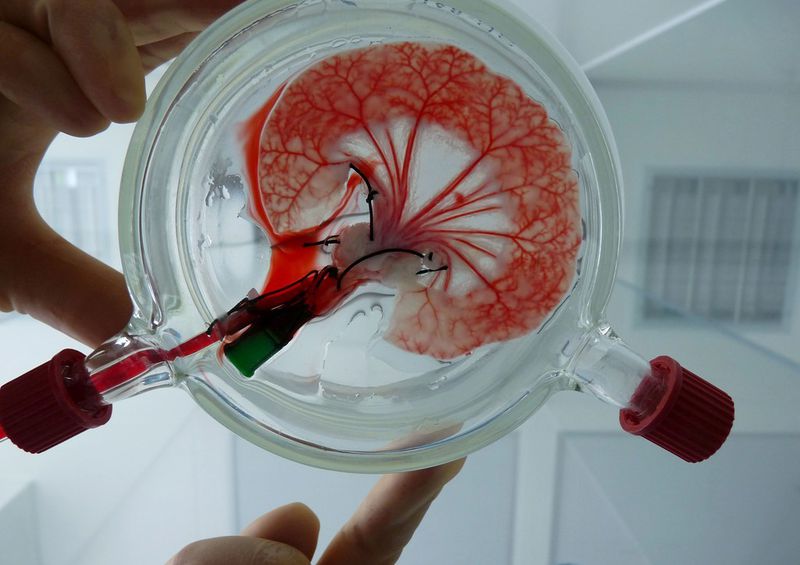
Scientists Discover a Way to Reverse Liver Damage Without Transplantation
Liver diseases remain one of the leading causes of disability and mortality worldwide. Cirrhosis, chronic hepatitis, and fatty liver disease were long considered irreversible conditions, where transplantation was the only radical treatment. However, donor organ shortages, high costs, and the risk of rejection make transplantation inaccessible for millions of patients. A recent scientific breakthrough may change this reality.
Researchers have developed a therapy capable of activating liver self-regeneration processes even at advanced stages of disease. The method is based on stimulating specific signaling pathways that “reprogram” damaged cells and suppress scar tissue formation. As a result, fibrotic areas are gradually replaced with healthy hepatocytes.
In preclinical and early clinical studies, patients with severe fibrosis showed significant improvement in liver function. Enzyme levels normalized, inflammation decreased, and tissue structure began to recover within months of therapy. Importantly, the effect was observed even in patients previously considered transplant candidates.
One of the key advantages of the method is its non-invasive nature. The therapy relies on drugs and molecular stimulators without surgical intervention. This significantly reduces complication risks and makes treatment accessible to a broader range of patients, including the elderly and those with comorbidities.
Scientists also note that the technology can be used not only for treatment but also for prevention of disease progression. Early application may stop fibrosis development and prevent irreversible stages, which is especially relevant amid the growing prevalence of non-alcoholic fatty liver disease linked to obesity and metabolic disorders.
Despite promising results, researchers emphasize the need for further trials to evaluate long-term effectiveness, safety, and optimal treatment protocols. Nevertheless, experts already consider this method one of the most promising advances in hepatology in recent decades.
If future studies confirm its success, medicine may gain a real alternative to liver transplantation, saving millions of lives and fundamentally changing the treatment of chronic liver disease.
Write a review
Required fields are marked with *
Categories
- News (42)
- Therapy (31)
- GP (23)
- Endocrinology (8)
- Cardiology (8)
- Ortopedics (4)
- Dermatology (3)
- urology (1)
- Check-up (1)
- Ultrasound (1)
Articles



Archive
- February 2026 (8)
- January 2026 (8)
- December 2025 (6)
- November 2025 (6)
- October 2025 (6)
- September 2025 (6)
- August 2025 (7)
- July 2025 (4)
- June 2025 (11)
- May 2025 (9)
Categories
- News (42)
- Therapy (31)
- GP (23)
- Endocrinology (8)
- Cardiology (8)
- Ortopedics (4)
- Dermatology (3)
- urology (1)
- Check-up (1)
- Ultrasound (1)


Comments (0)