
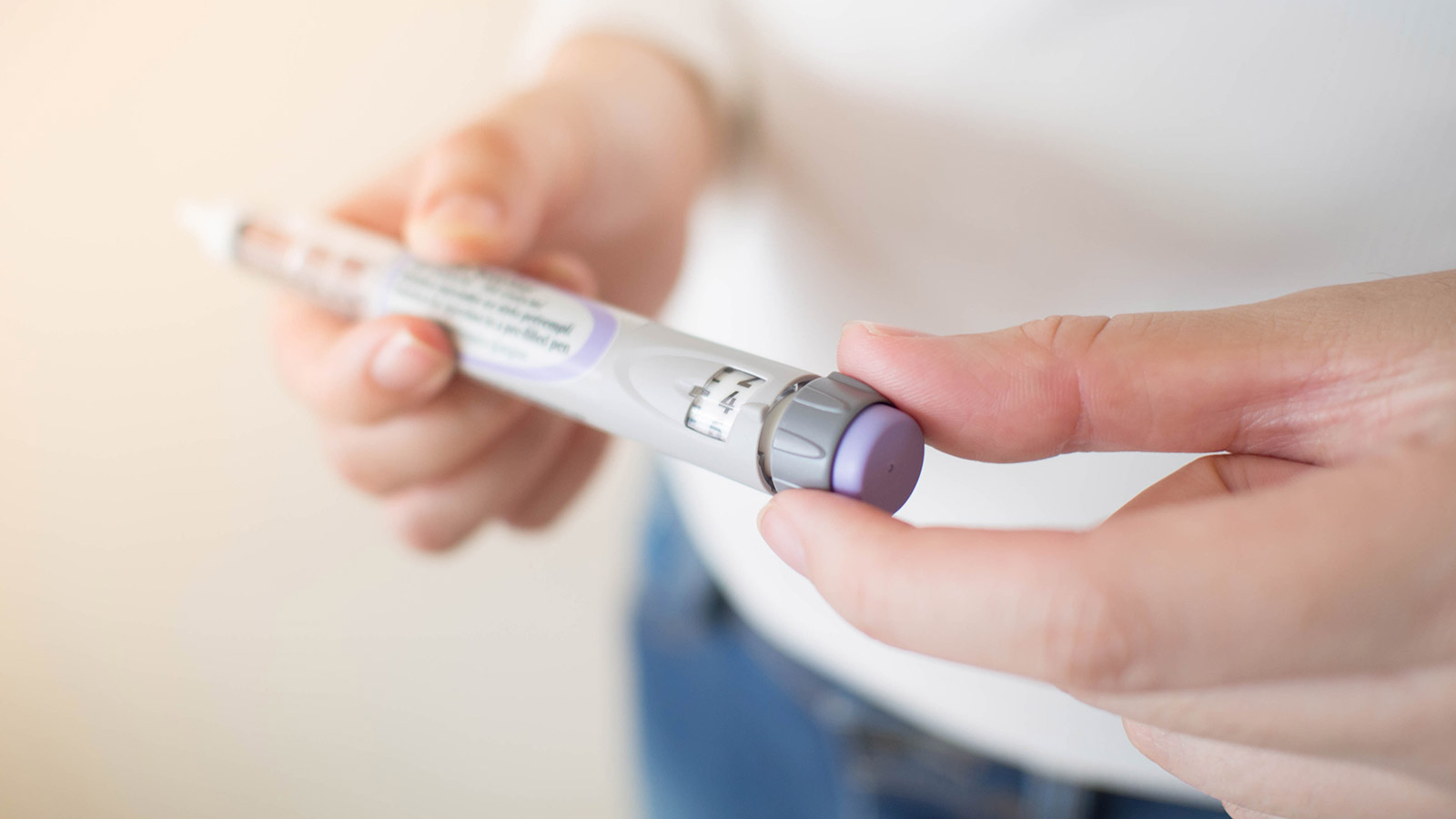
Scientists Develop “Smart” Insulin That Automatically Regulates Blood Sugar
For decades, diabetes management has required constant attention, discipline, and precise control. Patients must regularly measure blood glucose levels, calculate insulin doses, adjust meals, and anticipate physical activity. Even with strict adherence to treatment plans, sudden glucose fluctuations remain common and dangerous. Hypoglycemia, in particular, poses a serious risk and can lead to loss of consciousness, neurological damage, or even death. A new development in endocrinology may fundamentally change this reality.
Scientists have developed a new form of so-called “smart” insulin — a drug capable of automatically responding to changes in blood glucose levels. Unlike conventional insulin, which begins working immediately after injection regardless of glucose concentration, smart insulin remains inactive when glucose levels are normal. It becomes active only when blood sugar rises, releasing insulin precisely when the body needs it.
This intelligent behavior is achieved through a special glucose-sensitive molecular coating. When glucose concentration increases, the chemical environment of the blood changes, triggering the gradual release of insulin molecules. As glucose levels return to a safe range, insulin activity automatically decreases. This self-regulating mechanism dramatically reduces the risk of overdosing and severe hypoglycemia.
Preclinical and early clinical trials have shown highly promising results. Participants using smart insulin demonstrated significantly more stable glucose levels throughout the day and night. Episodes of hypoglycemia were reduced by more than half compared to traditional insulin therapy. Patients also reported less anxiety, improved sleep, and greater confidence in daily activities.
The technology is particularly important for people with type 1 diabetes, who rely entirely on insulin for survival. However, researchers also see strong potential for patients with advanced type 2 diabetes, especially those who struggle with unstable glucose control. In both cases, smart insulin may reduce the need for frequent blood sugar measurements and constant dose adjustments.
Experts emphasize that smart insulin does not eliminate the need for medical supervision. However, it can significantly simplify treatment, improve adherence, and lower the risk of long-term complications such as cardiovascular disease, kidney damage, and neuropathy. By reducing daily treatment burden, the technology may also improve mental health and overall quality of life.
Although the drug is still undergoing expanded clinical trials, endocrinologists already consider smart insulin one of the most important breakthroughs in diabetes care in recent years. If long-term safety and effectiveness are confirmed, smart insulin could redefine the standard of diabetes treatment worldwide.
Write a review
Required fields are marked with *
Categories
- News (42)
- Therapy (31)
- GP (23)
- Endocrinology (8)
- Cardiology (8)
- Ortopedics (4)
- Dermatology (3)
- urology (1)
- Check-up (1)
- Ultrasound (1)
Articles





Archive
- February 2026 (8)
- January 2026 (8)
- December 2025 (6)
- November 2025 (6)
- October 2025 (6)
- September 2025 (6)
- August 2025 (7)
- July 2025 (4)
- June 2025 (11)
- May 2025 (9)
Categories
- News (42)
- Therapy (31)
- GP (23)
- Endocrinology (8)
- Cardiology (8)
- Ortopedics (4)
- Dermatology (3)
- urology (1)
- Check-up (1)
- Ultrasound (1)


Comments (0)