
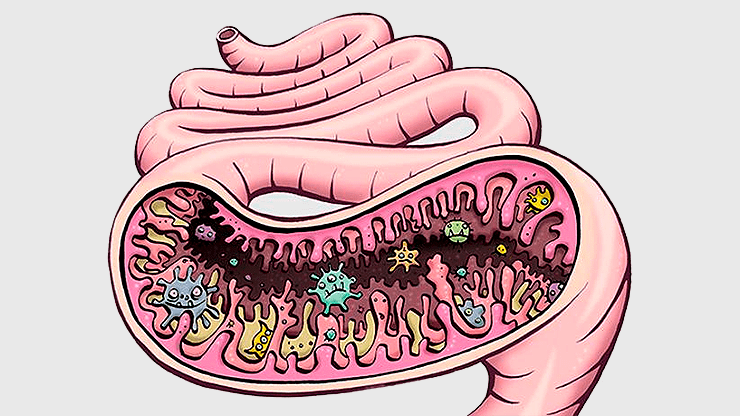
The Microbiome as Medicine: Scientists Learn to Treat Chronic Diseases Using Beneficial Bacteria
In recent years, the human microbiome — the vast ecosystem of trillions of microorganisms living in and on the body — has become one of the most important areas of medical research. Scientists now understand that gut bacteria influence far more than digestion. They play a critical role in immune regulation, hormone production, metabolism, brain function, and inflammation. Disruptions in the microbiome are increasingly linked to a wide range of chronic diseases.
Researchers have developed a new therapeutic approach that treats the microbiome itself as a form of medicine. The method begins with a detailed analysis of a patient’s gut flora using genetic sequencing. This allows scientists to identify deficiencies in beneficial bacteria and overgrowth of harmful strains. Based on this data, a personalized bacterial formulation is created to restore microbial balance.
Clinical studies have demonstrated encouraging results in patients with inflammatory bowel disease, metabolic syndrome, obesity, type 2 diabetes, and certain autoimmune conditions. In many cases, patients experienced reduced inflammation, improved glucose regulation, better digestion, and increased energy levels. Importantly, these improvements were achieved without aggressive pharmaceutical intervention.
One of the most promising aspects of microbiome therapy is its effect on the immune system. A balanced gut microbiota helps regulate immune responses, reducing chronic inflammation while improving resistance to infections. This dual effect makes the therapy valuable not only for treatment but also for disease prevention.
Unlike standard probiotic supplements, which are often generic and inconsistently effective, microbiome therapy is highly personalized. Researchers emphasize that bacteria beneficial to one person may be ineffective or harmful to another. Precision and customization are therefore essential for therapeutic success.
Scientists are also exploring the long-term potential of microbiome-based medicine, including its role in mental health, cardiovascular disease, and aging. While the field is still evolving, early results suggest that targeting gut bacteria could become a cornerstone of future medical practice.
Despite remaining challenges — including standardization, regulation, and long-term safety monitoring — experts believe microbiome therapy represents a shift toward more natural, individualized, and sustainable healthcare. Using living bacteria as therapeutic agents may fundamentally change how chronic diseases are treated in the decades ahead.
Write a review
Required fields are marked with *
Categories
- News (42)
- Therapy (31)
- GP (23)
- Endocrinology (8)
- Cardiology (8)
- Ortopedics (4)
- Dermatology (3)
- urology (1)
- Check-up (1)
- Ultrasound (1)
Articles




Archive
- February 2026 (8)
- January 2026 (8)
- December 2025 (6)
- November 2025 (6)
- October 2025 (6)
- September 2025 (6)
- August 2025 (7)
- July 2025 (4)
- June 2025 (11)
- May 2025 (9)
Categories
- News (42)
- Therapy (31)
- GP (23)
- Endocrinology (8)
- Cardiology (8)
- Ortopedics (4)
- Dermatology (3)
- urology (1)
- Check-up (1)
- Ultrasound (1)


Comments (0)