
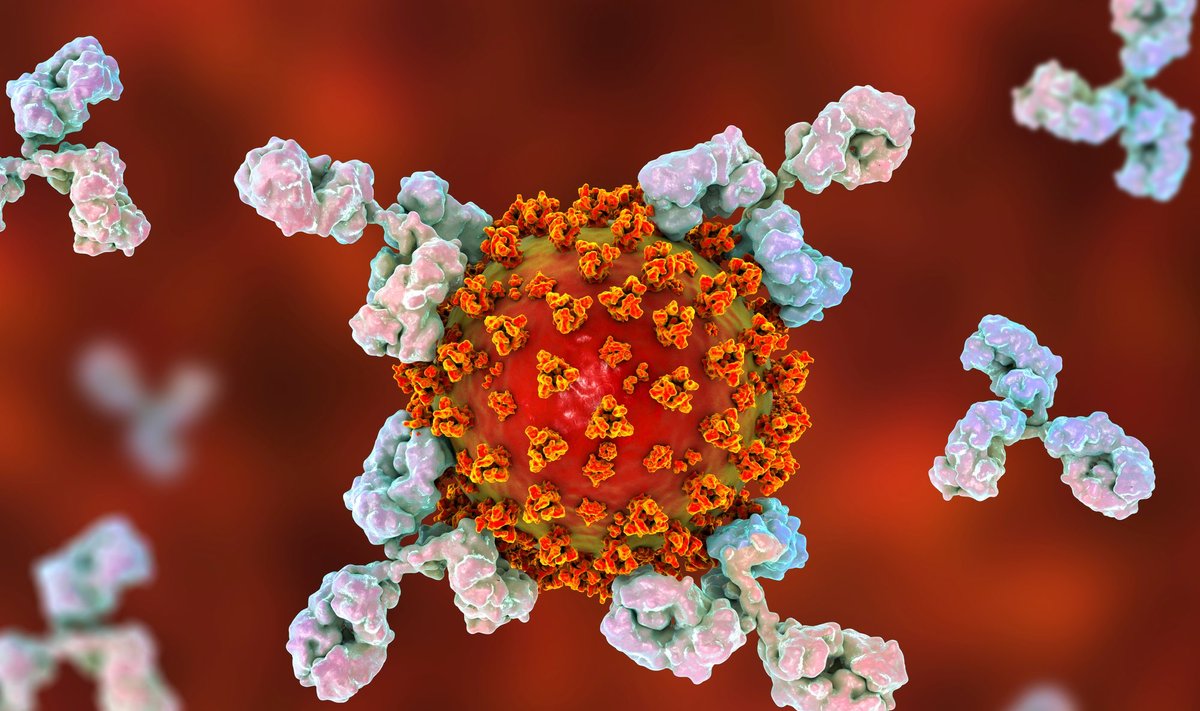
Cancer Treatment Without Chemotherapy: How Immunotherapy Is Changing the Rules
For decades, chemotherapy remained one of the main methods of cancer treatment. Despite its effectiveness, it is associated with severe side effects because it affects not only tumor cells but also healthy tissues. This leads to immune suppression, damage to internal organs, and a significant decline in patients’ quality of life. The development of immunotherapy has changed the very philosophy of cancer treatment.
Immunotherapy is based on activating the body’s own defense mechanisms. Instead of directly destroying the tumor with toxic substances, physicians “train” the immune system to recognize cancer cells and fight them effectively. A key role in this process is played by T lymphocytes — immune cells capable of identifying and destroying abnormal cells.
One of the most important breakthroughs was the development of immune checkpoint inhibitors. Under normal conditions, tumors can “hide” by suppressing immune cell activity. New drugs block these mechanisms, allowing the immune system to recognize the tumor as a threat again. In some patients, this leads to long-term remission even at advanced stages of the disease.
Another promising direction is cellular therapy, including CAR-T technologies. In this approach, a patient’s own immune cells are collected, genetically modified in the laboratory, and then returned to the body. These modified cells gain the ability to target and destroy tumor cells with high precision. The method has already shown high effectiveness in certain forms of leukemia and lymphoma.
A major advantage of immunotherapy is its selective action. Side effects are generally less severe compared to chemotherapy, and recovery occurs more quickly. However, immunotherapy is not suitable for all patients or all types of cancer. Effectiveness depends on the tumor type, its genetic characteristics, and the state of the immune system.
It is important to emphasize that in modern oncology, immunotherapy is often used in combination with other treatment methods, including surgery, radiation therapy, or reduced-dose chemotherapy. This comprehensive approach helps increase effectiveness while reducing the burden on the patient’s body.
Despite significant progress, scientists continue to actively study immune response mechanisms in cancer. Issues of treatment cost, technology accessibility, and predicting therapy effectiveness for individual patients remain. Nevertheless, immunotherapy is already regarded as one of the most revolutionary directions in oncology.
Experts believe that in the future, cancer treatment will increasingly move away from classical chemotherapy. Harnessing the body’s own resources opens the path to gentler, more personalized, and more effective cancer therapies.
Write a review
Required fields are marked with *
Categories
- News (42)
- Therapy (31)
- GP (23)
- Endocrinology (8)
- Cardiology (8)
- Ortopedics (4)
- Dermatology (3)
- urology (1)
- Check-up (1)
- Ultrasound (1)
Articles



Archive
- February 2026 (8)
- January 2026 (8)
- December 2025 (6)
- November 2025 (6)
- October 2025 (6)
- September 2025 (6)
- August 2025 (7)
- July 2025 (4)
- June 2025 (11)
- May 2025 (9)
Categories
- News (42)
- Therapy (31)
- GP (23)
- Endocrinology (8)
- Cardiology (8)
- Ortopedics (4)
- Dermatology (3)
- urology (1)
- Check-up (1)
- Ultrasound (1)


Comments (0)