
Non-opioid neuromodulation strategies for chronic pain
Chronic pain is defined as pain that persists for more than three months and extends beyond the normal period of tissue healing. It may be associated with degenerative spinal disorders, diabetic neuropathy, postherpetic neuralgia, postoperative complications, or central disturbances in pain processing. Unlike acute pain, which serves a protective function, chronic pain becomes an independent pathological condition characterized by structural and functional changes within the peripheral and central nervous systems.
Opioid analgesics have historically been used for the treatment of severe pain. However, prolonged opioid therapy is associated with tolerance, physical dependence, cognitive impairment, endocrine dysfunction, and risk of respiratory depression. In response to these concerns, contemporary clinical guidelines increasingly emphasize non-opioid and interventional approaches aimed at modulating pathological pain signaling rather than suppressing symptoms through systemic opioid receptor activation.
Neuromodulation refers to the targeted alteration of nervous system activity through electrical, magnetic, or chemical stimulation. The fundamental principle involves modifying abnormal neural signaling within pain pathways to reduce perception of pain. These interventions may be invasive or noninvasive and are selected based on the underlying pain mechanism and patient characteristics.
Spinal cord stimulation is one of the most established neuromodulation techniques. Electrodes are placed in the epidural space to deliver electrical impulses to the dorsal columns of the spinal cord. This stimulation alters transmission of nociceptive signals to higher central structures and can significantly reduce neuropathic pain. It is commonly used in failed back surgery syndrome, chronic radiculopathy, and certain ischemic pain conditions.
Advancements in device technology have enabled programmable stimulation patterns, including high-frequency and burst stimulation modes. These approaches aim to achieve effective analgesia while minimizing paresthesia and improving patient comfort. Individualized programming allows adjustment of amplitude, frequency, and pulse width according to patient response.
Peripheral nerve stimulation represents another targeted strategy. Electrodes are positioned near specific peripheral nerves responsible for localized pain syndromes. By directly influencing aberrant nerve activity, this method provides focused pain relief with limited systemic effects. It is particularly useful in cases of focal neuropathic pain.
Noninvasive neuromodulation techniques are also increasingly utilized. Transcranial magnetic stimulation applies magnetic fields to cortical areas involved in pain perception. Repeated sessions can modulate cortical excitability and reduce central sensitization, particularly in conditions such as fibromyalgia and neuropathic pain syndromes.
Transcranial direct current stimulation is another method that influences cortical plasticity through low-intensity electrical currents. It is generally well tolerated and may serve as an adjunct to multimodal pain management strategies. These noninvasive techniques offer favorable safety profiles and can be repeated over extended periods.
Patient selection is a critical determinant of treatment success. Comprehensive evaluation includes assessment of pain characteristics, duration, prior treatment response, and psychological factors. Depression, anxiety, and maladaptive coping mechanisms may influence outcomes and should be addressed as part of an integrated care plan.
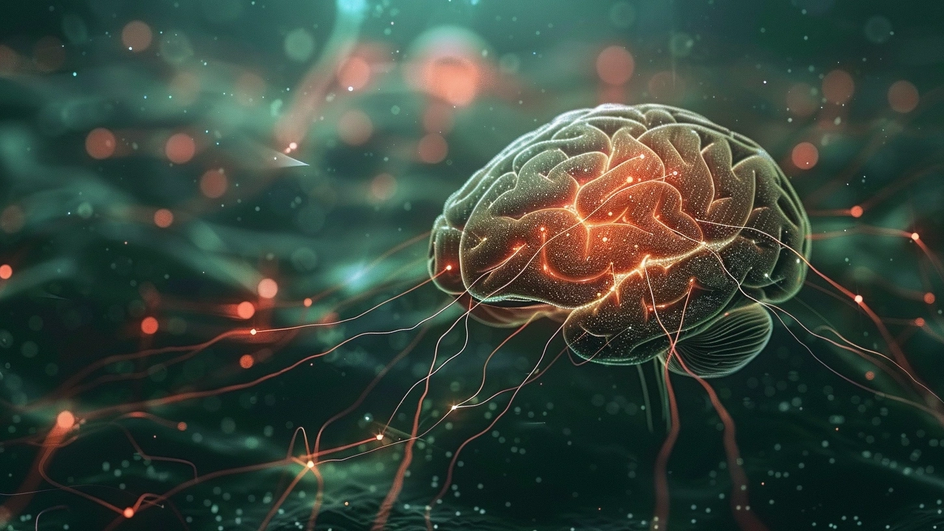
Neuroimaging studies have demonstrated that chronic pain is associated with neuroplastic changes in the thalamus, cortex, and limbic system. Neuromodulation seeks to reversibly influence these maladaptive neural networks. By targeting both peripheral and central mechanisms, these interventions aim to restore more physiological patterns of neural activity.
Safety considerations vary according to the technique employed. Invasive procedures carry risks such as infection, hardware displacement, or lead malfunction. Proper patient selection and adherence to procedural protocols reduce complication rates. Noninvasive modalities generally present lower risk profiles.
Economic aspects must also be considered. Although implantable systems involve substantial initial costs, long-term reduction in medication use and healthcare utilization may offset expenditures. Clinical studies have reported sustained pain reduction and improved functional outcomes in appropriately selected patients.
In conclusion, neuromodulation represents an evolving and evidence-based approach to chronic pain management without reliance on opioid therapy. By directly targeting dysfunctional neural circuits, these technologies provide individualized treatment options and reduce the risks associated with long-term opioid use. Ongoing research continues to refine stimulation paradigms and expand clinical indications.
Write a review
Required fields are marked with *
Categories
- News (42)
- Therapy (31)
- GP (23)
- Endocrinology (8)
- Cardiology (8)
- Ortopedics (4)
- Dermatology (3)
- urology (1)
- Check-up (1)
- Ultrasound (1)
Articles




Archive
- February 2026 (8)
- January 2026 (8)
- December 2025 (6)
- November 2025 (6)
- October 2025 (6)
- September 2025 (6)
- August 2025 (7)
- July 2025 (4)
- June 2025 (11)
- May 2025 (9)
Categories
- News (42)
- Therapy (31)
- GP (23)
- Endocrinology (8)
- Cardiology (8)
- Ortopedics (4)
- Dermatology (3)
- urology (1)
- Check-up (1)
- Ultrasound (1)


Comments (0)