
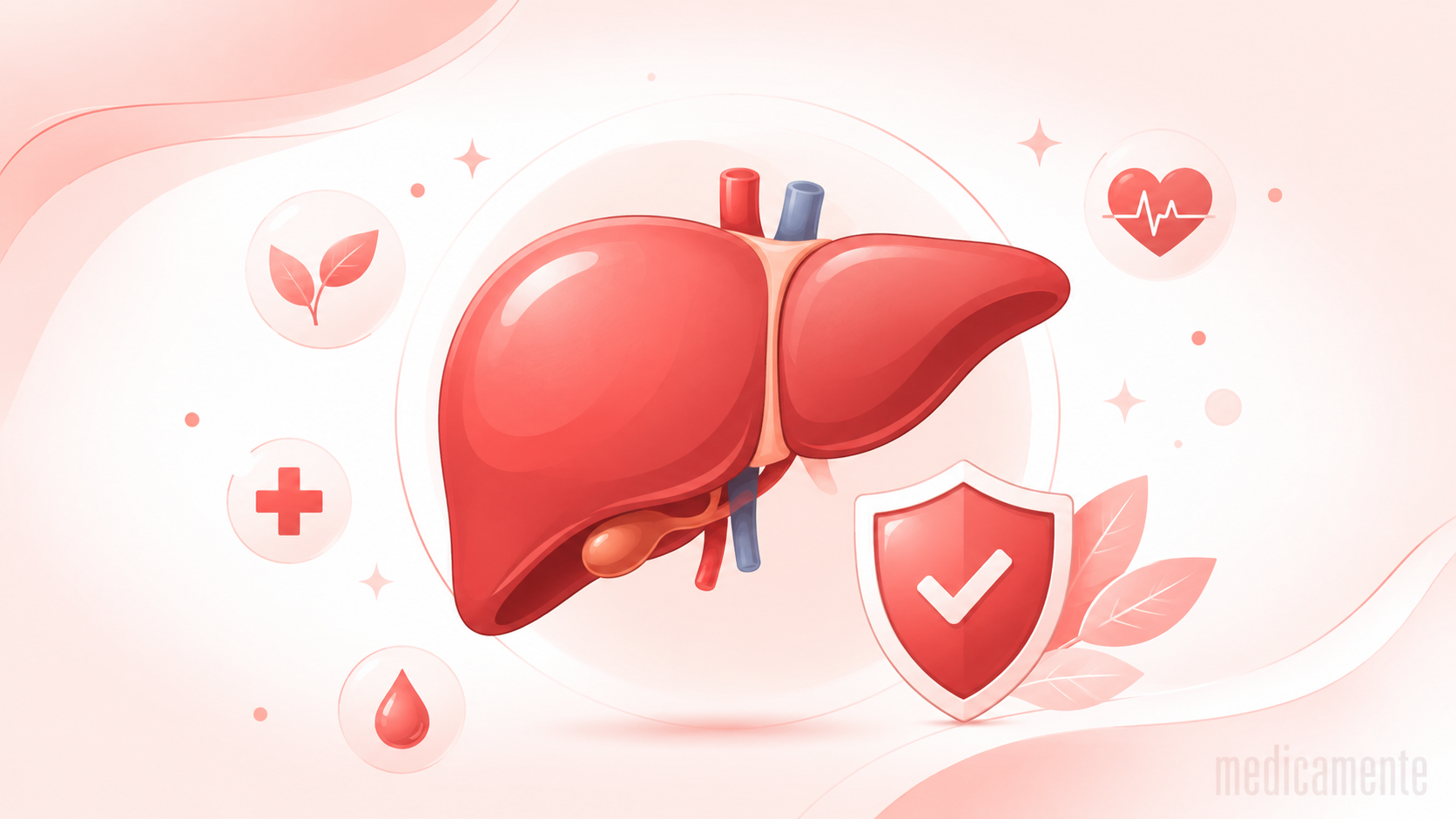
Why it is important to talk about the liver before symptoms appear
The liver is one of the most functionally complex organs in the human body. It participates in the processing of nutrients, protein synthesis, fat and carbohydrate metabolism, detoxification, regulation of blood clotting, bile production and storage of energy resources. At the same time, many liver diseases can develop for a long time almost unnoticed, without pronounced pain or specific symptoms.
This is why the May series of articles will be dedicated to liver health. The main goal of this month is to explain step by step which liver diseases are most common, why they may progress silently and which modern diagnostic methods help detect problems before severe complications develop.
Throughout the month, materials will be published on chronic hepatitis B, hepatitis D, fatty liver disease, fibrosis, cirrhosis, liver cancer, autoimmune diseases and laboratory and instrumental diagnostics. Each article will focus on a separate topic in a neutral medical style: without oversimplification, alarming wording or excessive terminology.
Special attention will be given to the fact that liver diseases have different causes. They may be related to viral infections, metabolic disorders, autoimmune processes, toxic exposure, impaired bile flow or long-term inflammation. Therefore, there is no universal explanation and no single approach to treatment. Correct assessment of liver health requires medical history, laboratory parameters, imaging, fibrosis assessment and, when necessary, additional specialized tests.
The May series will help readers understand key questions in a structured way: how viral hepatitis types differ, why fatty liver disease is not only related to body weight, how inflammation turns into fibrosis, why cirrhosis is not always linked to alcohol, which patients are at risk of liver cancer and which tests truly reflect the condition of the organ.
The liver has a high capacity for recovery, but this capacity is not unlimited. The earlier the cause of damage is identified, the greater the possibility of slowing disease progression, reducing the risk of complications and choosing the correct follow-up strategy. This is why liver health should be discussed not only when symptoms have already appeared, but much earlier — at the stage of prevention, diagnosis and understanding of risk factors.
Write a review
Required fields are marked with *
Categories
- Therapy (81)
- News (48)
- GP (23)
- Cardiology (20)
- urology (12)
- Endocrinology (8)
- Ortopedics (4)
- Dermatology (3)
- Ultrasound (1)
- Mobile app (1)
Articles





Archive
- September 2026 (11)
- August 2026 (11)
- July 2026 (11)
- June 2026 (11)
- May 2026 (9)
- April 2026 (8)
- March 2026 (8)
- February 2026 (8)
- January 2026 (8)
- December 2025 (5)
Categories
- Therapy (81)
- News (48)
- GP (23)
- Cardiology (20)
- urology (12)
- Endocrinology (8)
- Ortopedics (4)
- Dermatology (3)
- Ultrasound (1)
- Mobile app (1)


