
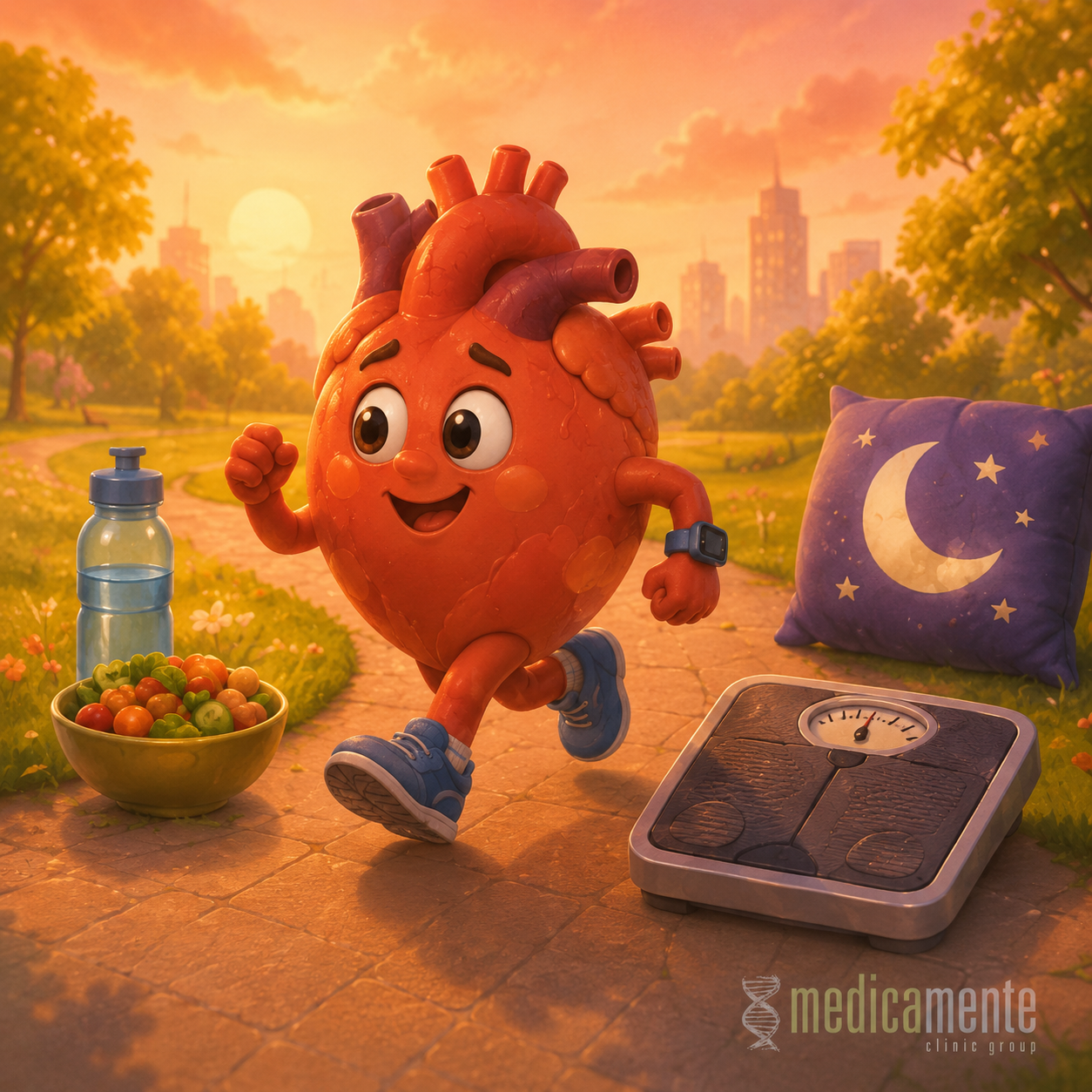
How everyday habits affect vascular risk
Why lifestyle matters for the heart
Heart and vascular health depend not only on heredity, age or existing diseases. Cardiovascular risk is influenced every day by nutrition, physical activity, body weight, sleep, stress, smoking, alcohol, salt intake and the body’s ability to recover.
Lifestyle cannot always fully replace medical treatment. If a person already has significant hypertension, diabetes, high LDL cholesterol, heart failure or a previous heart attack, habits alone may not be enough. But even in these cases, nutrition, movement, sleep and weight control remain an important part of prevention and treatment.
The main feature of cardiovascular disease is that risk often develops over years. Blood pressure may gradually rise, weight may increase, vessels may become less elastic, blood sugar and lipid levels may worsen, and physical endurance may decline. A person may not feel serious symptoms for a long time, but daily risk factors may already be affecting the vessel wall and the heart.
This is why prevention begins not only in the doctor’s office, but also in everyday life. How a person eats, moves, sleeps and responds to stress gradually determines the burden on the heart and blood vessels.
Salt and blood pressure
Salt contains sodium, which affects fluid and salt balance as well as blood pressure. When sodium intake is too high, the body may retain more fluid. This increases circulating blood volume and can raise blood pressure, especially in people who are salt-sensitive.
Excess salt intake is especially important in arterial hypertension, chronic kidney disease, heart failure, diabetes and older age. In these conditions, the body may have more difficulty handling excess sodium, and blood pressure and swelling become more sensitive to diet.
Many people think salt is only what they add from the salt shaker. In reality, a large part of salt intake comes from ready-made foods: processed meats, cheeses, sauces, canned foods, semi-prepared meals, fast food, snacks, bread, ready meals and industrially processed products. A person may therefore consume a lot of salt even if they rarely add salt at home.
Reducing excess salt helps improve blood pressure and fluid retention. This does not necessarily mean eating tasteless food. Often it is enough to gradually reduce salty products, use spices, herbs, acidic flavors, garlic, lemon and natural seasonings, and choose less processed foods.
Nutrition for the heart and blood vessels
Nutrition affects blood pressure, cholesterol, blood sugar, body weight, inflammation and the condition of the vessel wall. For the heart, it is not one specific product that matters most, but the overall pattern of eating that a person can maintain long term.
A heart- and vessel-friendly diet usually includes enough vegetables, fruits, legumes, whole grains, fish, nuts, seeds, vegetable oils and sources of fiber. These foods help support healthy metabolism and improve control of weight, blood sugar and lipids.
The quality of fats is especially important. Excess saturated fats can increase LDL cholesterol. They are found in fatty meat, processed meats, butter, full-fat dairy products, fast food, some confectionery and ultra-processed foods. Trans fats are especially unfavorable for blood vessels and may be present in some industrial baked goods, fried foods and processed products.
For blood vessels, it is better to focus on unsaturated fats from fish, nuts, seeds, olive oil and other plant sources. However, even healthy fats are calorie-dense, so overall balance matters.
Fiber helps control lipids, glucose and satiety. It is found in vegetables, fruits, legumes, whole grains, oat products and seeds. The less ultra-processed food and the more whole foods in the diet, the easier it is to maintain a stable metabolic profile.
Sugar, fast carbohydrates and vascular risk
Sugar and fast carbohydrates are directly connected with glucose metabolism, body weight and insulin resistance. Frequent consumption of sweet drinks, desserts, pastries, sweet snacks and foods high in added sugar can contribute to weight gain and worse glucose control.
Sweet drinks are especially unfavorable. They rapidly increase sugar and calorie intake but provide poor satiety. A person may not perceive them as real food, although they can significantly increase daily calorie intake.
Insulin resistance, prediabetes and diabetes increase cardiovascular risk. They often occur together with elevated triglycerides, reduced HDL cholesterol, hypertension and abdominal obesity. Therefore, controlling sugar intake is important not only for diabetes prevention, but also for vascular protection.
This does not mean that carbohydrates should be completely eliminated. Quality and quantity matter. Whole grains, legumes, vegetables and fiber-containing fruits affect the body differently from sweet drinks and refined products. The main goal is to reduce excess added sugar and make the diet more sustainable.
Weight and the burden on the heart
Excess body weight increases the workload on the cardiovascular system. The heart has to supply blood to more tissue, and the vascular system functions under increased metabolic strain. Visceral fat around the abdomen is especially important because it actively affects metabolism.
Abdominal obesity is associated with insulin resistance, high blood pressure, lipid abnormalities, chronic inflammation, elevated triglycerides and a higher risk of type 2 diabetes. This is why waist circumference can be an important cardiovascular risk marker, not only an aesthetic feature.
Weight reduction in people with obesity can improve blood pressure, blood sugar, triglycerides, sleep quality, exercise tolerance and overall well-being. Even moderate weight loss can have a meaningful effect if it is sustainable and achieved safely.
Extreme approaches should be avoided. Crash diets, fasting, excessive restrictions and repeated cycles of rapid weight loss followed by regain often do not provide long-term benefit. For the heart, gradual changes in nutrition, increased movement, better sleep, stress management and healthier eating habits are more useful.
Physical activity and blood vessels
Physical activity is one of the strongest protective factors for the heart and vessels. Regular movement helps lower blood pressure, improve insulin sensitivity, control body weight, increase endurance, improve the lipid profile and support normal vascular function.
Activity does not have to mean professional sport. For many people, regularity matters more than intensity. Walking, swimming, cycling, dancing, moderate aerobic activity, bodyweight exercises and simply increasing everyday movement can all be beneficial.
A sedentary lifestyle itself increases risk. Even if a person exercises occasionally, long periods of sitting without breaks can negatively affect metabolism. It is therefore useful not only to set aside time for exercise, but also to stand up more often, walk, use stairs and take short active breaks during the day.
If a person already has heart disease, severe shortness of breath, chest pain, unstable blood pressure, arrhythmias or a previous heart attack, physical activity should be chosen carefully. In such cases, medical assessment and, if needed, cardiac rehabilitation can be helpful.
Why sleep is important for the heart
Sleep affects blood pressure, hormonal regulation, glucose metabolism, appetite, stress response and recovery of the nervous system. Chronic sleep deprivation may increase the risk of hypertension, obesity, insulin resistance, rhythm disorders and overall cardiovascular risk.
When a person regularly sleeps too little or poorly, the body remains in a state of increased activation. The sympathetic nervous system may become more active, stress hormone levels may rise, appetite control may worsen and cravings for calorie-dense foods may increase. This affects blood pressure, weight and metabolism.
Sleep apnea is especially important. This is a condition in which breathing repeatedly stops or airflow is significantly reduced during sleep. It is often associated with loud snoring, daytime sleepiness, morning headaches, nighttime awakenings and poorly controlled blood pressure.
Sleep apnea increases the burden on the heart and blood vessels and may contribute to hypertension, arrhythmias, heart failure and metabolic disturbances. Therefore, when snoring, pauses in breathing during sleep, significant daytime sleepiness and persistent high blood pressure are present, sleep should be assessed rather than only adjusting blood pressure medication.
Stress and the cardiovascular system
Stress is not only an emotional experience. It is accompanied by physiological reactions: increased heart rate, higher vascular tone, blood pressure changes, release of stress hormones and changes in behavior. Short-term stress responses are normal, but chronic stress can maintain an unfavorable burden on the heart and vessels.
During prolonged stress, people often sleep worse, move less, overeat, choose sweet or fatty foods more often, smoke, drink alcohol or postpone treatment. This means stress affects the heart not only directly, but also through habits.
It is not realistic to promise oneself to “remove all stress.” A more useful goal is to recover better. Regular sleep, physical activity, walks, breathing techniques, limiting overload, social support, psychological help and planned rest can all help.
If anxiety, low mood, panic symptoms or chronic tension interfere with daily life, this also deserves attention. Mental well-being and cardiovascular health are closely connected.
Smoking and blood vessels
Smoking is one of the strongest modifiable cardiovascular risk factors. It damages the endothelium, accelerates atherosclerosis, increases the tendency of blood to clot, worsens oxygen delivery to tissues and raises the risk of heart attack, stroke and peripheral artery disease.
Smoking is especially dangerous when combined with hypertension, diabetes, high LDL cholesterol, obesity or existing cardiovascular disease. In such situations, risk factors do not simply add up — they amplify one another.
Smoking cessation reduces risk regardless of age and smoking history. The benefits develop gradually and involve the blood vessels, respiratory system, blood pressure, exercise tolerance and risk of thrombosis. The earlier a person stops smoking, the greater the long-term benefit, but positive effects are possible at any age.
It is important to consider not only regular cigarettes. Other nicotine products, heated tobacco systems and inhaled aerosols may also affect the vascular system, blood pressure, inflammation and dependence. For the heart, the key goal is sustained cessation of exposure to nicotine and inhaled products.
Alcohol and the heart
Alcohol can affect blood pressure, heart rhythm, body weight, sleep, the liver, triglyceride levels and glucose control. Regular or excessive alcohol use is associated with a higher risk of hypertension, arrhythmias, cardiomyopathy, stroke and worsening overall metabolic health.
In some people, alcohol triggers episodes of atrial fibrillation or rapid heartbeat. It can also worsen sleep quality, aggravate sleep apnea, increase calorie intake and make weight loss more difficult.
The common belief that alcohol is “good for blood vessels” should not be used as a recommendation to start drinking or drink regularly. Possible potential effects do not outweigh the risks, especially in hypertension, arrhythmias, liver disease, diabetes, medication use or elevated vascular risk.
For many patients with cardiovascular risk factors, reducing alcohol or avoiding it helps improve blood pressure, weight, sleep and heart rhythm control.
How habits affect medication
Lifestyle can strengthen or weaken the effectiveness of treatment. For example, excess salt may worsen blood pressure control even when medications are used. Irregular sleep and sleep apnea can maintain hypertension. Smoking raises vascular risk even when cholesterol and blood pressure are treated. Sedentary behavior and weight gain worsen glucose and lipid control.
This does not mean that a patient is “to blame” if medication is needed. Cardiovascular diseases depend on many factors, including heredity and age. But habits can strongly influence how well the condition is controlled.
If a person takes medication for blood pressure, cholesterol, diabetes or heart failure, lifestyle remains part of treatment. It helps reduce the burden on the heart, lower the risk of complications and sometimes reduce the need for intensifying therapy.
It is important not to oppose medication and lifestyle. They are not competing approaches, but parts of the same strategy. Medications work on biological mechanisms, while habits reduce the daily burden on the cardiovascular system.
How to change lifestyle without extremes
Many attempts to change lifestyle fail because they are too strict. A person tries to suddenly stop eating all familiar foods, start intense exercise, lose weight quickly and completely rebuild their routine. This approach is often difficult to maintain.
For the heart, sustainable changes are more useful. Examples include reducing salty ready-made foods, adding daily walking, replacing sweet drinks with water, choosing whole foods more often, going to bed a little earlier, taking breaks from sitting and gradually increasing physical activity.
It is important to choose changes that can be maintained for months and years. Cardiovascular prevention is not a short sprint before blood tests, but a long-term system.
Even small steps matter if they become regular. Blood pressure, weight, glucose, lipids and endurance do not change in one day, but consistency gradually reduces the burden on the heart and blood vessels.
Which markers should be monitored
Lifestyle changes work better when a person understands their starting point. It is important to know blood pressure, lipid profile, glucose or glycated hemoglobin, body weight, waist circumference, kidney function and, if needed, ECG or other examination results.
Blood pressure monitoring helps show whether salt, weight, sleep, stress and treatment affect vascular load. The lipid profile shows atherosclerosis risk. Glucose and glycated hemoglobin reflect carbohydrate metabolism. Creatinine and estimated glomerular filtration rate help assess the kidneys, which are closely linked to blood pressure and the heart.
It is important to monitor not only blood tests, but also how a person feels: exercise tolerance, shortness of breath, swelling, palpitations, sleep quality and energy level. If usual activity becomes more difficult, this may be a reason to assess health.
Lifestyle is the foundation of cardiovascular prevention, but it should be reasonable, individual and sustainable. Reducing excess salt, controlling weight, regular movement, improving sleep, smoking cessation, moderation with alcohol and attention to stress help reduce the burden on the heart and blood vessels. The earlier these habits become part of daily life, the more opportunity there is to reduce the risk of hypertension, atherosclerosis, heart attack, stroke and heart failure.
Write a review
Required fields are marked with *
Categories
- Therapy (81)
- News (48)
- GP (23)
- Cardiology (20)
- urology (12)
- Endocrinology (8)
- Ortopedics (4)
- Dermatology (3)
- Ultrasound (1)
- Mobile app (1)
Articles





Archive
- September 2026 (11)
- August 2026 (11)
- July 2026 (11)
- June 2026 (11)
- May 2026 (9)
- April 2026 (8)
- March 2026 (8)
- February 2026 (8)
- January 2026 (8)
- December 2025 (5)
Categories
- Therapy (81)
- News (48)
- GP (23)
- Cardiology (20)
- urology (12)
- Endocrinology (8)
- Ortopedics (4)
- Dermatology (3)
- Ultrasound (1)
- Mobile app (1)


